🇬🇧 A Data Center Inside a Mountain: Intacture, Trentino's Cave for the Cloud ⛰️💾 | 🇮🇹 Un data center dentro la montagna: Intacture, la grotta trentina del cloud ⛰️💾


We usually imagine the "cloud" floating somewhere up in the sky. In Trentino they decided to put it in the most unexpected place of all: 100 metres underground, inside a working mine. 🪨☁️
Its name is Intacture – The Natural Home of Data, and it's the first data center in Europe built inside an active mine. Living here among the hills of the Marche, where nature does most of the work, I couldn't help falling in love with the idea: a place where the mountain itself keeps the servers cool. Let's see how it works. 👇
🍷 How I found out about it
I have to confess: I didn't discover this story by browsing tech news. It came to me, like all the best things around here, at the lunch table. 😄
Today, at our neighbours' agriturismo Ca' le Suore, I met one of their guests from Trentino: Francesco Setti, a professor at the University of Trento. Between a slice of salami and a glass of wine, he told me about this incredible data center hidden inside a mountain in his region. I was so fascinated that I had to write about it straight away!

📸 Francesco Setti, professor at the University of Trento, who told me about Intacture at lunch at Ca' le Suore
Thank you, Francesco, for the great conversation... and for giving me the idea for this post! 🙏
📍 Where it is


📸 Intacture, the first European data center inside an active mine (Val di Non) · Source: Infobuildenergia
- Val di Non, Trentino (municipality of Predaia), about 40 km north of Trento
- Inside the dolomite mine operated by Tassullo, one that is still active
- About 100 metres underground, beneath a mountain around 600 metres above sea level
- More than 80% of the structure is underground
The mine keeps working while the data center runs. The miners dig the rock, and right next door the servers process data. Tradition and technology share the same tunnels. ⛏️🖥️
❄️ The star of the show: natural cooling
This is the real magic. Inside the mountain the temperature stays at a stable ~12 °C all year round, summer or winter, heatwave or snowstorm. 🌡️
Why does that matter? In a traditional data center cooling is one of the biggest energy costs: thousands of servers produce heat, and huge air-conditioning systems work non-stop to remove it. At Intacture the rock does a big part of that job for free:
- Free cooling for about 75% of the year: the cool, stable environment of the mine is enough on its own for most of the year
- Closed-loop heat exchangers: the cooling circuit is sealed, so no water is consumed for cooling. That matters a lot, because many data centers around the world use millions of litres every year 💧
- For the remaining periods it uses magnetic levitation chillers, very efficient compressors that float on magnetic fields with no friction and no lubricating oil, running on low-impact refrigerants
In short, the mountain is a gigantic natural fridge, and it never needs an electricity bill. 😄
⚡ Energy and efficiency
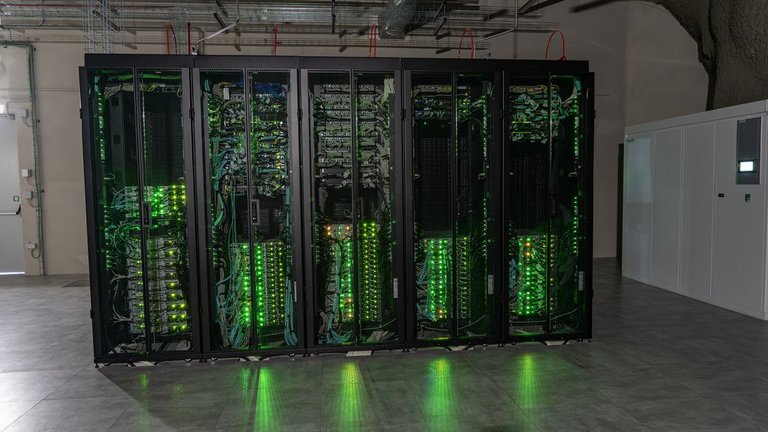
📸 The technological heart of Intacture: energy efficiency and zero water consumption · Photo: Schneider Electric, via Infobuildenergia
- 100% renewable energy
- Target PUE below 1.25. PUE (Power Usage Effectiveness) measures how much energy goes beyond what the servers themselves use; 1.0 would be perfect. The average in Southern Europe is around 1.6, so this is a big step forward
- Scalable capacity up to 6 MW
- Galaxy VL UPS systems in eConversion mode (by Schneider Electric) to keep power continuous while wasting as little energy as possible
- SF6-free electrical switchgear (SM AirSeT, which uses air instead of sulphur hexafluoride). SF6 is one of the most powerful greenhouse gases in existence, so leaving it out is a real environmental gain 🌍
🛡️ Safety and security
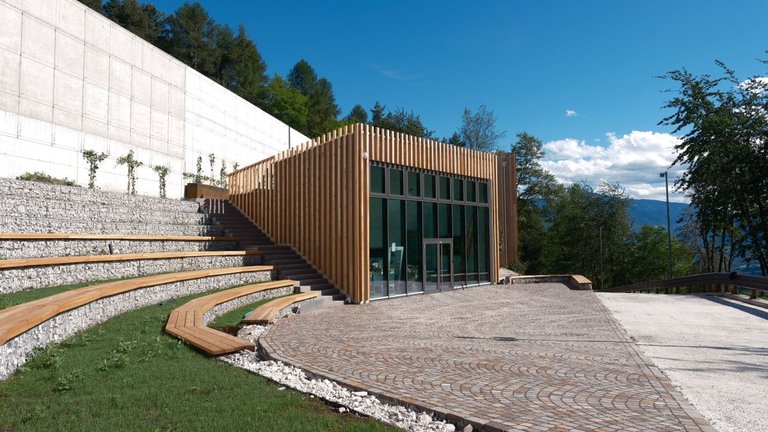
📸 Inside the Intacture data center · Photo: Schneider Electric, via Infobuildenergia
Being inside a mountain isn't only good for the climate. It's also one of the safest places you could choose for data:
- Natural protection from extreme weather: floods, storms, heatwaves, fires
- Physical security: 100 metres of dolomite rock are a pretty convincing wall 🔒
- Shielding from electromagnetic interference
- Zero land consumption: no new building on the surface, no meadows or fields covered in concrete 🌱
🏗️ The numbers of the project
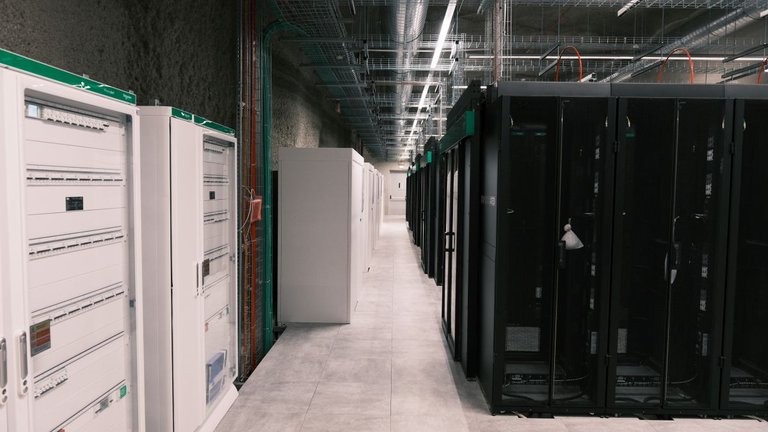
📸 The infrastructure of Intacture · Photo: Schneider Electric, via Infobuildenergia
| 🪨 Rock excavated (and reused) | 63,000 m³ |
| 🔌 Cables installed (first phase) | 54.4 km |
| 🚰 Pipework | 3.1 km |
| 🚇 Operating tunnels | 2 tunnels, 170 m long, 7 m high, 12 m wide |
| ⬇️ Vertical shaft (the "fornello") | 40 m deep |
| 💶 Total investment | about €50 million, of which €18.4 million from the PNRR (Mission 4) |
| 🎉 Official opening | June 2026 |
The 63,000 cubic metres of dolomite dug out were reused, not thrown away. Circular economy, mountain style. ♻️
🤝 Who's behind it
📸 The master plan of the project · Courtesy IN-SITE, via The Plan

📸 Rendering of the outdoor building and campus area · Courtesy IN-SITE, via The Plan
The project is run by Trentino DataMine, a company set up in 2023 whose partners include:
- University of Trento (scientific coordination)
- Dedagroup
- Gruppo GPI
- Covi Costruzioni
- ISA – Istituto Atesino di Sviluppo
Technology partners include Schneider Electric for energy and IN-SITE for engineering and integrated design.
💶 Follow the money: the financial side
This is not just a nice green story. There is a real business case behind it, and it's an interesting one.
1. Who pays: a public-private model 🤝
- Total investment: €50.2 million
- €18.4 million in public funds from the PNRR (Italy's Recovery Plan, Mission 4)
- €31.8 million from private investors, the shareholders of Trentino DataMine (Dedagroup, GPI, Covi Costruzioni, ISA)
In practice, every public euro brought in about €1.70 of private capital. Intacture was also the first Mission 4 PNRR project to fully account for its resources (April 2026), which isn't a given with PNRR money. ✅
2. How it makes money 💼
The business model is colocation: public bodies and private companies rent space, power and connectivity inside the mountain to host their own servers. On top of that come research projects with the University of Trento in artificial intelligence, life sciences, energy transition and cybersecurity. Security, stable conditions and data kept in Italy are strong selling points for banks, healthcare, public administration and anyone handling sensitive data. 🔐
3. Where the margins come from: energy ⚡
In a data center, electricity is the biggest operating cost, and in Italy electricity is among the most expensive in Europe. This is where PUE turns into money. Here's a rough calculation of my own, just to give an idea:
| For every 1 MW of IT load running all year | Average data center (PUE 1.6) | Intacture (PUE 1.25) |
|---|---|---|
| Total energy used | 14,016 MWh | 10,950 MWh |
| Energy saved | – | ~3,070 MWh/year (-22%) |
| Saving at an assumed €150/MWh | – | ~€460,000/year |
At the full capacity of 6 MW, that would be roughly €2.7 million a year saved on the electricity bill alone, plus zero water costs and no money spent on land or on a building on the surface. 💰 (My own estimate: the real price of energy and the real load will change the numbers, but the order of magnitude is clear.)
4. The market around it 📈
According to the Politecnico di Milano Data Center Observatory (January 2026):
- €7.1 billion was invested in data centers in Italy in 2023–2025
- €25.4 billion in potential investments has been announced for 2026–2028 (83 projects, 72% from international operators)
- Milan alone has 414 MW of IT capacity, 68% of the national total, and Italy is heading towards 1 GW by 2028
5. The risks ⚠️
Honesty first: the sector also has its question marks. Terna received grid connection requests for 68.5 GW in 2025, a number the Observatory itself calls "completely disconnected" from reality. It's a sign of a possible bubble of announced projects that may never be built. Energy prices remain high and volatile, and the competition from the big international players in Milan is fierce.
Intacture's bet is to compete not on size but on efficiency, security and sustainability: a niche, but one that becomes more valuable every time the energy bill or the ESG requirements go up. 📊
🤔 Why it matters
Data centers are the hidden engine of our digital life: every photo, every message, every post on Hive, every question to an artificial intelligence ends up in a server somewhere. With the explosion of AI their energy and water consumption is growing fast, and it's becoming a real environmental issue. ⚠️
Intacture shows that there is another way: work with nature instead of against it. Use the natural cold of the mountain, avoid wasting water, don't cover new land with concrete, run on renewables and reuse the rock you dig out.
It's the same philosophy we try to follow here at Ca' Paradiso, just on a much bigger scale: nature isn't an obstacle, it's the best partner you can have. 🌿
What do you think? Would you trust your data to a mountain? ⛰️ Tell me in the comments! 👇
Di solito immaginiamo il "cloud" come qualcosa che fluttua da qualche parte nel cielo. In Trentino hanno deciso di metterlo nel posto più inaspettato di tutti: 100 metri sottoterra, dentro una miniera in attività. 🪨☁️
Si chiama Intacture – The Natural Home of Data ed è il primo data center in Europa costruito dentro una miniera attiva. Vivendo qui tra le colline marchigiane, dove è la natura a fare gran parte del lavoro, non potevo non innamorarmi dell'idea: un posto dove è la montagna stessa a tenere al fresco i server. Vediamo come funziona. 👇
🍷 Come l'ho scoperto
Devo confessarlo: questa storia non l'ho scoperta sfogliando le notizie di tecnologia. Mi è arrivata, come tutte le cose più belle da queste parti, a tavola. 😄
Oggi, nell'agriturismo dei nostri vicini Ca' le Suore, ho conosciuto uno dei loro ospiti trentini: Francesco Setti, professore all'Università di Trento. Tra una fetta di salame e un bicchiere di vino mi ha raccontato di questo incredibile data center nascosto dentro una montagna della sua regione. Mi ha affascinato così tanto che ho dovuto scriverne subito!
📸 Francesco Setti, professore all'Università di Trento, che mi ha raccontato di Intacture durante il pranzo a Ca' le Suore
Grazie Francesco per la bella chiacchierata... e per avermi dato l'idea di questo post! 🙏
📍 Dove si trova
📸 Intacture, il primo data center europeo in una miniera attiva (Val di Non) · Fonte: Infobuildenergia
- Val di Non, Trentino (comune di Predaia), a circa 40 km a nord di Trento
- Dentro la miniera di dolomia gestita da Tassullo, tuttora attiva
- A circa 100 metri di profondità, sotto una montagna a circa 600 metri di quota
- Oltre l'80% della struttura è sotterranea
La miniera continua a lavorare mentre il data center è in funzione. I minatori scavano la roccia e, poco più in là, i server elaborano dati. Tradizione e tecnologia condividono le stesse gallerie. ⛏️🖥️
❄️ Il protagonista: il raffreddamento naturale
Questa è la vera magia. Dentro la montagna la temperatura resta stabile intorno ai 12 °C tutto l'anno, estate o inverno, ondata di caldo o bufera di neve. 🌡️
Perché è importante? In un data center tradizionale il raffreddamento è una delle voci di consumo più pesanti: migliaia di server producono calore e grandi impianti di condizionamento lavorano senza sosta per smaltirlo. A Intacture buona parte di questo lavoro la fa gratis la roccia:
- Free cooling per circa il 75% dell'anno: l'ambiente fresco e stabile della miniera basta da solo per la maggior parte dell'anno
- Scambiatori di calore a circuito chiuso: il circuito di raffreddamento è sigillato, quindi non si consuma acqua per raffreddare. È un aspetto importantissimo, perché molti data center nel mondo usano milioni di litri ogni anno 💧
- Per i periodi restanti si usano chiller a levitazione magnetica, compressori molto efficienti che "galleggiano" su campi magnetici senza attrito e senza olio lubrificante, con refrigeranti a basso impatto
In pratica la montagna è un gigantesco frigorifero naturale, e non manda mai la bolletta. 😄
⚡ Energia ed efficienza
📸 Il cuore tecnologico di Intacture: efficienza energetica e zero consumo idrico · Foto: Schneider Electric, via Infobuildenergia
- Energia al 100% da fonti rinnovabili
- Obiettivo PUE inferiore a 1,25. Il PUE (Power Usage Effectiveness) misura quanta energia serve oltre a quella usata dai server; 1,0 sarebbe la perfezione. La media del Sud Europa è intorno a 1,6, quindi è un bel passo avanti
- Capacità scalabile fino a 6 MW
- Gruppi di continuità Galaxy VL in modalità eConversion (di Schneider Electric) per garantire la continuità elettrica sprecando meno energia possibile
- Quadri elettrici senza SF6 (SM AirSeT, che usa aria al posto dell'esafluoruro di zolfo). L'SF6 è uno dei gas serra più potenti che esistano, quindi farne a meno è un vero vantaggio per l'ambiente 🌍
🛡️ Sicurezza
📸 Dentro il data center Intacture · Foto: Schneider Electric, via Infobuildenergia
Stare dentro una montagna non fa bene solo al clima. È anche uno dei posti più sicuri che si possano scegliere per i dati:
- Protezione naturale dagli eventi climatici estremi: alluvioni, tempeste, ondate di calore, incendi
- Sicurezza fisica: 100 metri di roccia dolomitica sono un muro piuttosto convincente 🔒
- Schermatura dall'inquinamento elettromagnetico
- Zero consumo di suolo: nessun nuovo edificio in superficie, nessun prato o campo coperto di cemento 🌱
🏗️ I numeri del progetto
📸 Le infrastrutture di Intacture · Foto: Schneider Electric, via Infobuildenergia
| 🪨 Roccia scavata (e riutilizzata) | 63.000 m³ |
| 🔌 Cavi posati (prima fase) | 54,4 km |
| 🚰 Tubazioni | 3,1 km |
| 🚇 Gallerie operative | 2 gallerie lunghe 170 m, alte 7 m e larghe 12 m |
| ⬇️ Pozzo verticale (il "fornello") | 40 m di profondità |
| 💶 Investimento totale | circa 50 milioni di euro, di cui 18,4 milioni dal PNRR (Missione 4) |
| 🎉 Inaugurazione ufficiale | giugno 2026 |
I 63.000 metri cubi di dolomia scavati sono stati riutilizzati, non buttati. Economia circolare in versione montana. ♻️
🤝 Chi c'è dietro
📸 Il masterplan del progetto · Courtesy IN-SITE, via The Plan
📸 Rendering dell'area esterna con edificio e campus · Courtesy IN-SITE, via The Plan
Il progetto è gestito da Trentino DataMine, società nata nel 2023 di cui fanno parte:
- Università di Trento (coordinamento scientifico)
- Dedagroup
- Gruppo GPI
- Covi Costruzioni
- ISA – Istituto Atesino di Sviluppo
Tra i partner tecnologici ci sono Schneider Electric per l'energia e IN-SITE per l'ingegneria e la progettazione integrata.
💶 Seguiamo i soldi: gli aspetti finanziari
Non è solo una bella storia green. Dietro c'è un vero modello di business, ed è interessante.
1. Chi paga: un modello pubblico-privato 🤝
- Investimento totale: 50,2 milioni di euro
- 18,4 milioni di fondi pubblici dal PNRR (Missione 4)
- 31,8 milioni da investitori privati, i soci di Trentino DataMine (Dedagroup, GPI, Covi Costruzioni, ISA)
In pratica ogni euro pubblico ha attirato circa 1,70 euro di capitale privato. Intacture è stato anche il primo progetto PNRR della Missione 4 a rendicontare completamente le risorse (aprile 2026), cosa per niente scontata con i fondi PNRR. ✅
2. Come guadagna 💼
Il modello di business è la colocation: enti pubblici e aziende private affittano spazio, energia e connettività dentro la montagna per ospitare i propri server. A questo si aggiungono i progetti di ricerca con l'Università di Trento su intelligenza artificiale, scienze della vita, transizione energetica e cybersecurity. Sicurezza, condizioni stabili e dati custoditi in Italia sono argomenti forti per banche, sanità, pubblica amministrazione e chiunque gestisca dati sensibili. 🔐
3. Da dove arrivano i margini: l'energia ⚡
In un data center l'elettricità è la voce di costo operativo più pesante, e in Italia l'energia è tra le più care d'Europa. È qui che il PUE diventa denaro. Ecco un calcolo indicativo fatto da me, solo per dare un'idea:
| Per ogni 1 MW di carico IT acceso tutto l'anno | Data center medio (PUE 1,6) | Intacture (PUE 1,25) |
|---|---|---|
| Energia totale consumata | 14.016 MWh | 10.950 MWh |
| Energia risparmiata | – | ~3.070 MWh/anno (-22%) |
| Risparmio con un prezzo ipotetico di 150 €/MWh | – | ~460.000 €/anno |
Alla piena capacità di 6 MW si parlerebbe di circa 2,7 milioni di euro all'anno risparmiati solo in bolletta, più zero costi per l'acqua e nessuna spesa per terreni o edifici in superficie. 💰 (Stima mia: il prezzo reale dell'energia e il carico effettivo cambieranno i numeri, ma l'ordine di grandezza è chiaro.)
4. Il mercato intorno 📈
Secondo l'Osservatorio Data Center del Politecnico di Milano (gennaio 2026):
- nel triennio 2023–2025 in Italia sono stati investiti 7,1 miliardi di euro in data center
- per il 2026–2028 sono annunciati 25,4 miliardi di investimenti potenziali (83 progetti, il 72% di operatori internazionali)
- la sola Milano ha 414 MW di potenza IT, il 68% del totale nazionale, e l'Italia punta a superare 1 GW entro il 2028
5. I rischi ⚠️
Per onestà: il settore ha anche i suoi punti interrogativi. Nel 2025 Terna ha ricevuto richieste di connessione alla rete per 68,5 GW, un numero che lo stesso Osservatorio definisce "completamente scollegato" dalla realtà. È il segnale di una possibile bolla di progetti annunciati che potrebbero non vedere mai la luce. I prezzi dell'energia restano alti e instabili, e la concorrenza dei grandi operatori internazionali a Milano è agguerrita.
La scommessa di Intacture è competere non sulle dimensioni ma su efficienza, sicurezza e sostenibilità: una nicchia, ma che vale di più ogni volta che salgono la bolletta o i requisiti ESG. 📊
🤔 Perché è importante
I data center sono il motore nascosto della nostra vita digitale: ogni foto, ogni messaggio, ogni post su Hive, ogni domanda a un'intelligenza artificiale finisce in un server da qualche parte. Con l'esplosione dell'IA i loro consumi di energia e di acqua crescono velocemente, e stanno diventando un vero problema ambientale. ⚠️
Intacture dimostra che un'altra strada esiste: lavorare con la natura invece che contro. Usare il freddo naturale della montagna, non sprecare acqua, non coprire nuovo suolo di cemento, alimentarsi con le rinnovabili e riutilizzare la roccia scavata.
È la stessa filosofia che cerchiamo di seguire qui a Ca' Paradiso, solo su una scala molto più grande: la natura non è un ostacolo, è il miglior alleato che si possa avere. 🌿
Voi che ne pensate? Affidereste i vostri dati a una montagna? ⛰️ Scrivetemelo nei commenti! 👇
📚 Sources / Fonti
- Provincia autonoma di Trento – "Intacture, The Natural Home of Data": il primo data center in Europa in una miniera attiva
- Provincia autonoma di Trento – Inaugurato a Predaia il primo data center in una miniera attiva
- Il Sole 24 Ore – Intacture has opened a data centre beneath a mountain
- l'Adige – In Val di Non inaugurato Intacture
- Infobuildenergia – Intacture, in Val di Non il primo data center europeo in una miniera attiva
- Adnkronos Prometeo – In Trentino l'AI scende in miniera
- The Plan – Intacture, the underground data center in Val di Non (renderings courtesy IN-SITE)
- UniTrento Press Room – Intacture, the Natural Home of Data
- Osservatorio Data Center, Politecnico di Milano – Data center in Italia (gennaio 2026)
- Gruppo GPI – Intacture, il primo data center europeo in una miniera attiva
*Written by Matteo @caparadiso from Ca' Paradiso, Cagli (Marche, Italy) 🇮🇹 https://www.caparadiso.com *
You can check out this post and your own profile on the map. Be part of the Worldmappin Community and join our Discord Channel to get in touch with other travelers, ask questions or just be updated on our latest features.