Today in Japan for Nov 26 - The Art of Origami
And here is your daily almanac for Sunday the twenty-sixth of November 2023.
This day in history offers us a diverse tapestry of events.
On this day in 1941, the Hull Note was delivered. This outlining the United States' stance towards Japan during World War II, a pivotal moment leading up to the attack on Pearl Harbor. Today is also the birthdate of Emperor Go-Daigo in 1288, known for his attempts to overthrow the Kamakura shogunate and restore imperial power during the Kenmu Restoration. Although he was successful, the renewed Imperial rule only lasted for three years before a new shogunate was formed by the Ashikaga family.
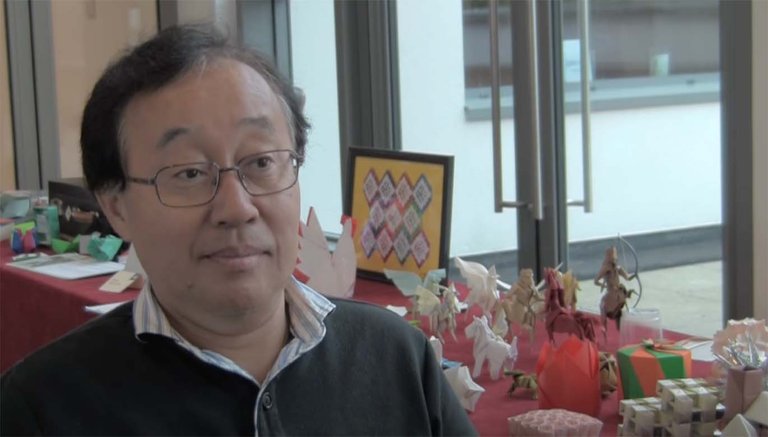
Still taken from this video
Today was also the birth of Toshikazu Kawasaki, who has made a unique contribution to the world of origami. Kawasaki, a Japanese mathematician and origami artist, is famed for his creation of the Kawasaki Rose, a sophisticated origami model that resembles a lifelike rose. His work represents a beautiful blend of art and mathematics, showcasing the intricate and precise nature of paper folding and its limitless possibilities.
Kawasaki's origami isn't just visually stunning; it's a testament to the patience, skill, and creativity inherent in this traditional Japanese art form. His designs have inspired countless artists and origami enthusiasts worldwide, making him a notable figure in the modern world of origami.
I do not do a lot of origami, but I do enjoy it a little. I thought I might try to do a tutorial on the Kawasaki rose, which is a delightful model. If I can manage that, I'll post something in the next week or so.

via Wikipedia


Today's rokuyō is taian (大安), considered the most auspicious day in the Buddhist calendar. It's a day often chosen for important events and new beginnings. (Read more about the rokuyō here)
On the old calendar, today would have been the fourteenth day of the tenth month. We continue in the mini-season Shōsetsu (小雪), marking the period of early snow, and the microseason Niji kakurete miezu (虹蔵不見), when rainbows are hidden. As we've noted before, this time is also associated with the harvest of late autumn crops. In particular, persimmons, with their vibrant orange hue, are a seasonal delicacy, ripening to sweet perfection as the air grows cooler.
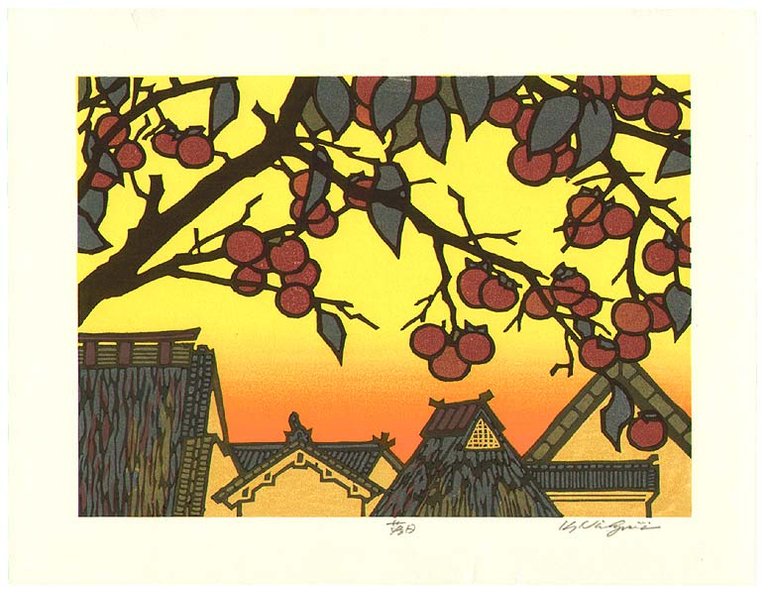
Evening Sun by Nishijima Katsuyuki
Thinking of persimmons immediately calls to mind Shiki, who was known for his love of the fruit. Here is a haiku:
三千の俳句を閲し柿二つ
sanzen no haiku wo kemishi kaki futatsu
three thousand
haiku to look through
two persimmons
—Shiki
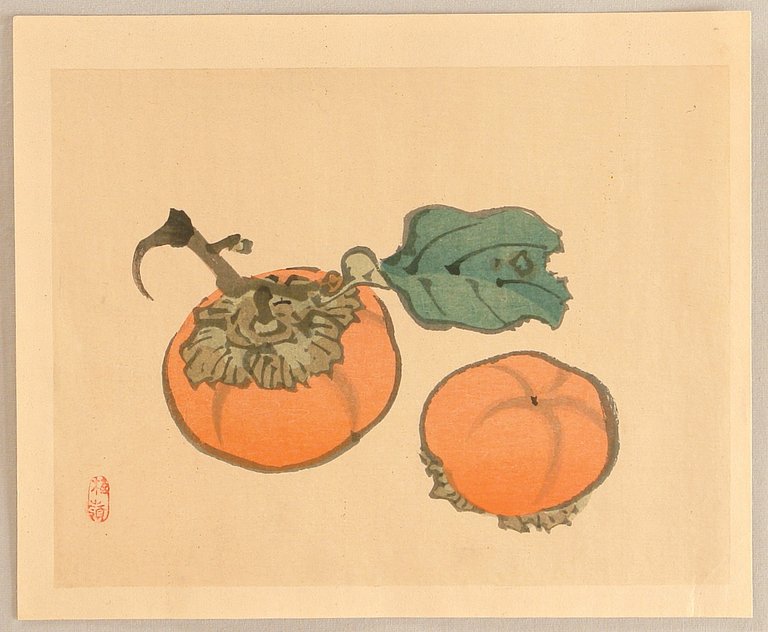
Two Persimmons by Kono Bairei
This haiku is from his days as a haiku editor at the newspaper. Although he might be stretching things a bit with that "three thousand" number, undoubtedly he had a lot to search through. The persimmons here are not just fruits; they represent the sweet reward at the end of a diligent effort. They are a moment of respite and pleasure amidst the labor of creativity. It's a reminder of the importance of small joys and how they can serve as motivation and solace. Many people use this motivation technique, promising themselves a reward upon completion of some work. For most people these days that reward is probably chocolate or some other sugar snack. For Shiki, it was persimmons. If you've ever eaten them, you might understand his love of them. They are really good!
As we observe the quiet beauty of early winter and celebrate the art of origami, let's appreciate the small, intricate details that can unfold into something truly magnificent. Be well, do good work, and stay in touch.
❦
 |
David LaSpina is an American photographer and translator lost in Japan, trying to capture the beauty of this country one photo at a time and searching for the perfect haiku. He blogs here and at laspina.org. |