Details of floors and facades, colonial doors and windows

To be recurrent that explains in numerous publics the heritage left by the Spanish colonists with the invasion that began in the year 1492.
In this publication I will show some details of some facades, floors, doors and windows of the colonial period that are still intact for more than 3 centuries.
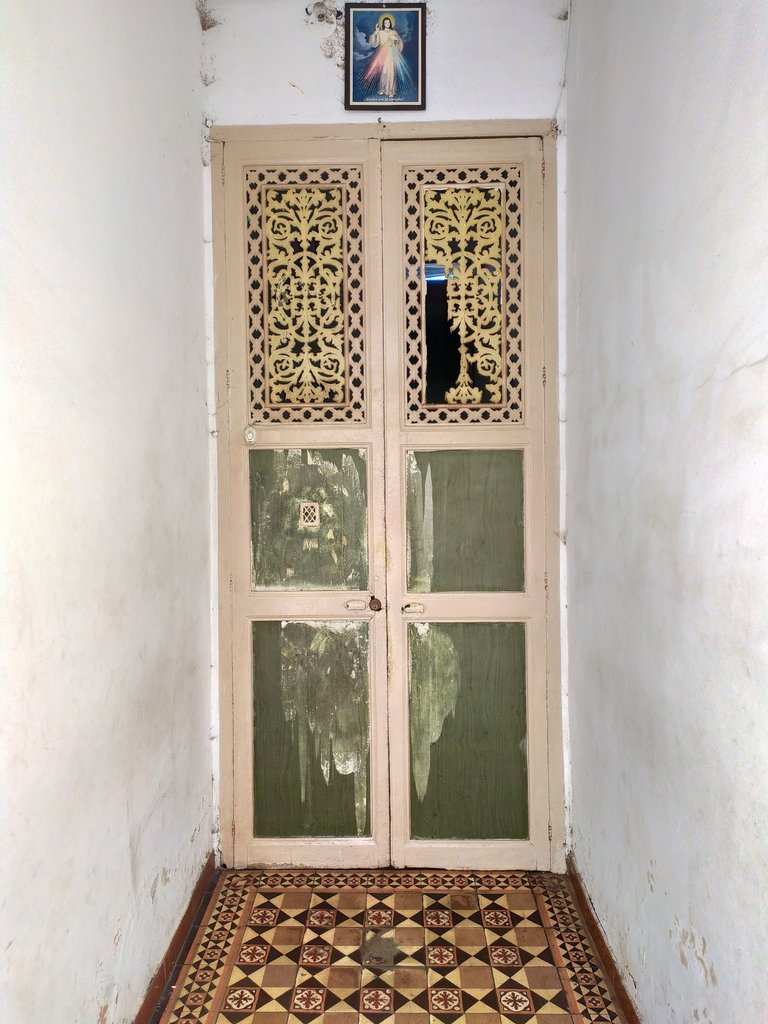
Sometimes it is easy to recognize old buildings, but it is difficult to know who were behind the construction of these formidable buildings, the reality is that although the engineers and designers were Spanish, it was not exactly Spaniards who built the buildings.

Behind the genius as master builders are the African slaves, it is also easy to think that most of the slaves were brought to this continent without knowing their origin or skills, this is the main mistake to think that the African builders were trained by the Spanish when they brought with them knowledge about various branches of human knowledge.
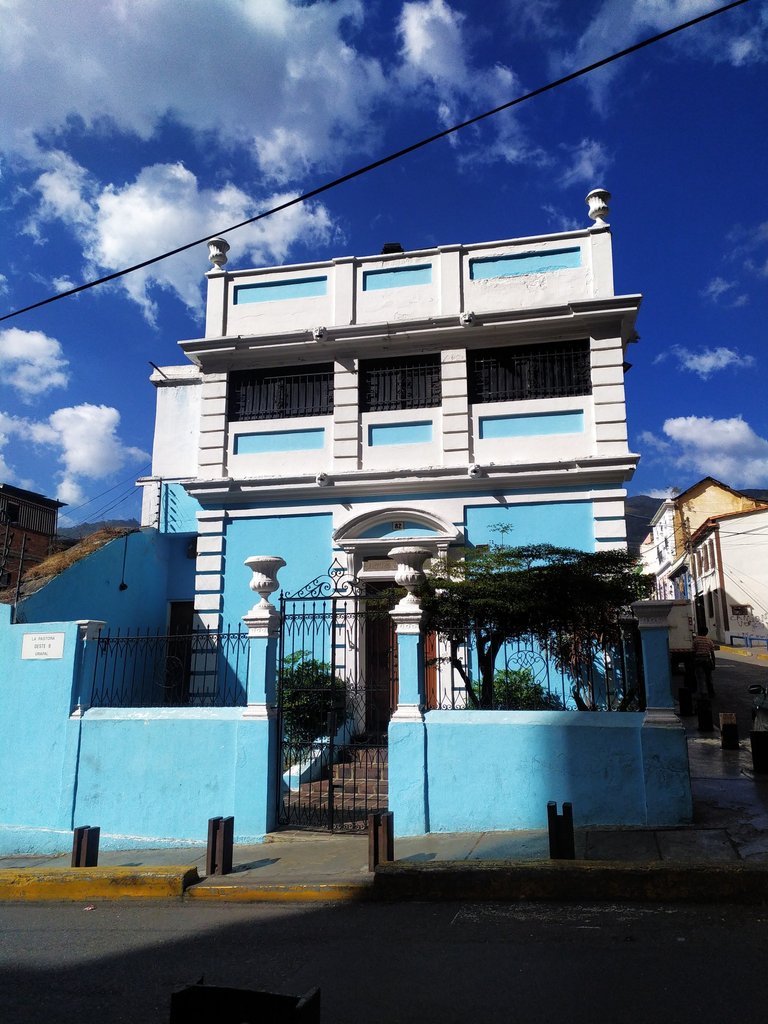
For example the enslaved Africans were mostly excellent carpenters, in addition to potters, experts in metals, this due to the different constructions that were in Africa that even exceed in centuries to many Roman constructions. So the success of building so many houses, farms, churches of large dimensions and elaborate finishes was thanks to the ingenuity of the African slaves.

In addition, the African slaves, apart from fighting with the Spanish, many resisted in a cultural way, generating the conditions for the emergence of a culture rich in art that persists today and is part of the Venezuelan culture.
The floors that you can see in the different designs inherited from the Spaniards that in turn were inherited from the 8 century invasion by the Moors in the Iberian Peninsula.

The Arabs imposed during 8 centuries great features of their culture, politics and also of their architecture that's why it's common to see how the designs have intricate geometrical shapes coming from the Muslim architecture. However, the structures, with the exception of the churches, do not resemble Muslim architecture.

The houses were built with a rectangular or square base to allow for internal courtyards where rooms were distributed to kitchen areas, laundry, rest and even Christian prayer chapels. This could only
to allow Creole families who were descendants of the Spaniards It should be noted that the criollos were no longer considered Spanish but a kind of second class citizen, this reason was the main social problem faced by the mantuanos who had to pay tribute to the Spanish crown.


The construction technology also advanced thanks to the use of both African and aboriginal techniques that allowed the manufacture of houses with a unique style.


I chose direct photography as a technique to record the floors and details of some doors in order to show some texture and to better contextualize the readers.
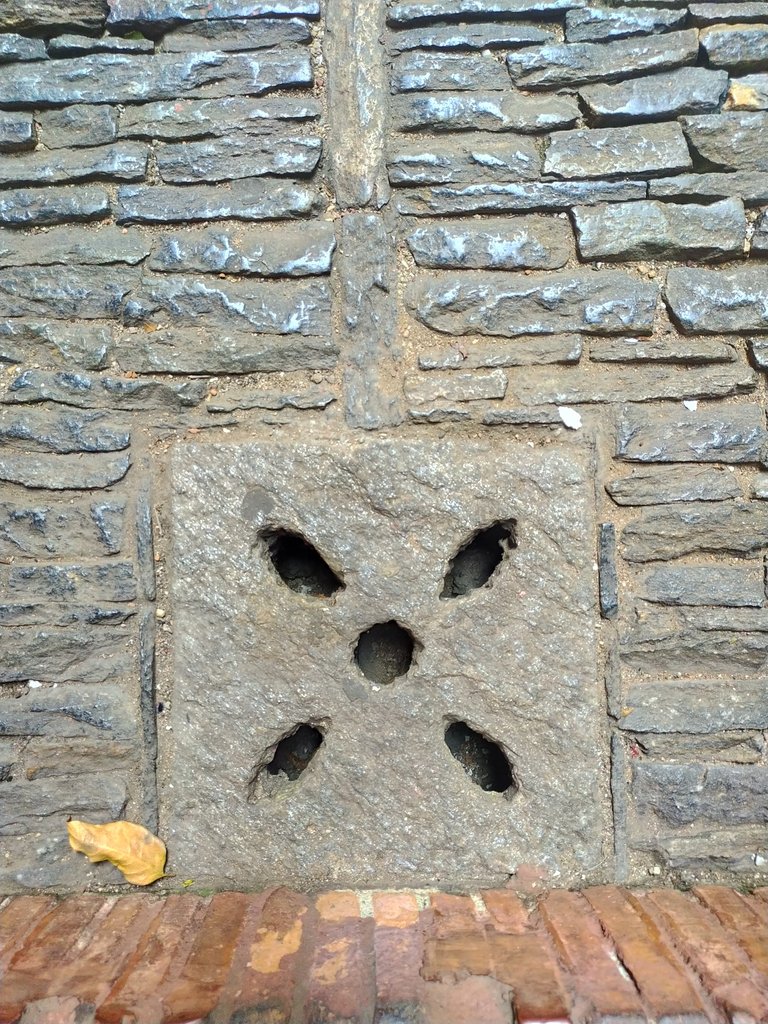
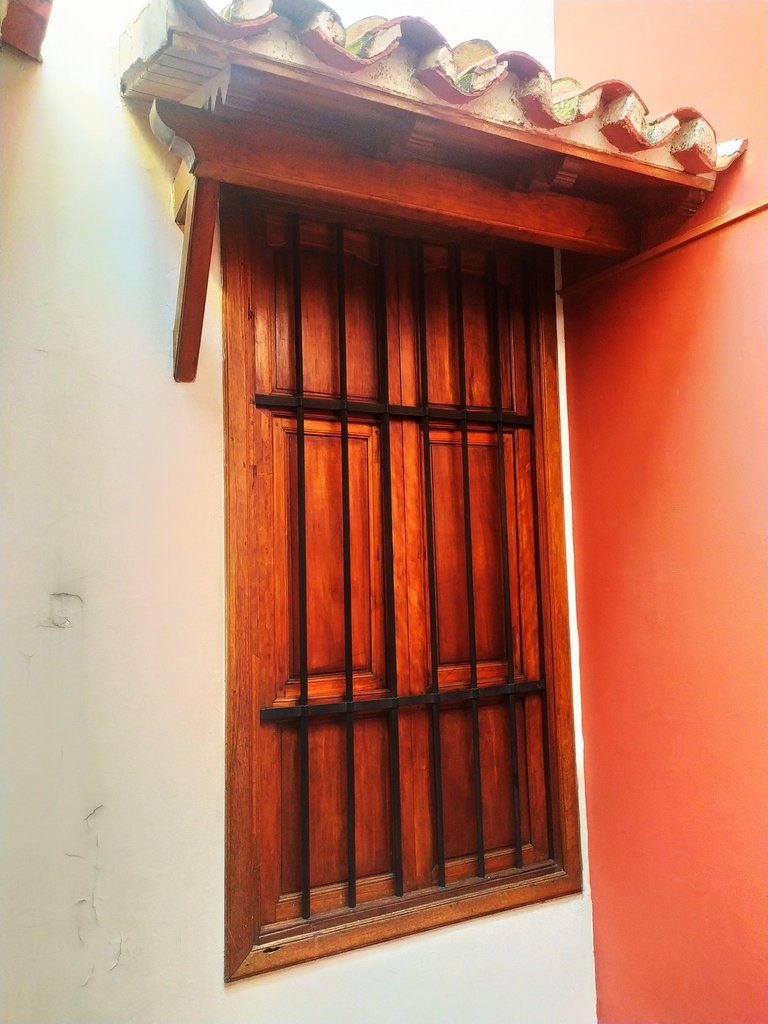
This will be the first of a series of publications that I will be dedicating to these marvels of colonial architecture that are a legacy of Spanish culture on this continent and are also pieces that do not have much maintenance so you can appreciate how well they are made. It is also difficult to distinguish between so many buildings that are still trapped between more recent concrete walls in the great capital.
To read all about this project and find out how you can support it, visit it at Fundition.io by simply clicking on the link: Puppets in the community PROJECT and be sure to check out steemit's profile @arrozymangophoto
Thanks for reading
Special recognition:
@r2cornell a guide for the steemit community supports causes like @aid.venezuela.
You can also support this project with your delegation
Posted via neoxian.city | The City of Neoxian